
나는 어린시절을 강원도 홍천군 남면에서 보냈다.
우리가 살던 지역은 많은 군인 부대가 있었고, 우리동네 윗쪽 산 밑에는 사격장이 있어 연일 총쏘는 소리를 들으며 성장 했다.
그래서 몇가지 에피소드를 적어 보고자 한다.
I spent my childhood in Nam-myeon, Hongcheon County, Gangwon Province.
The area where we lived had many military units, and just above our village, at the foot of the mountain, there was a shooting range. I grew up hearing the sound of gunfire almost every day.
So, I’d like to share a few episodes from those days.
소총탄환을 나무 옹이에 밖아 발사 하기
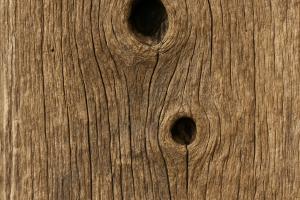
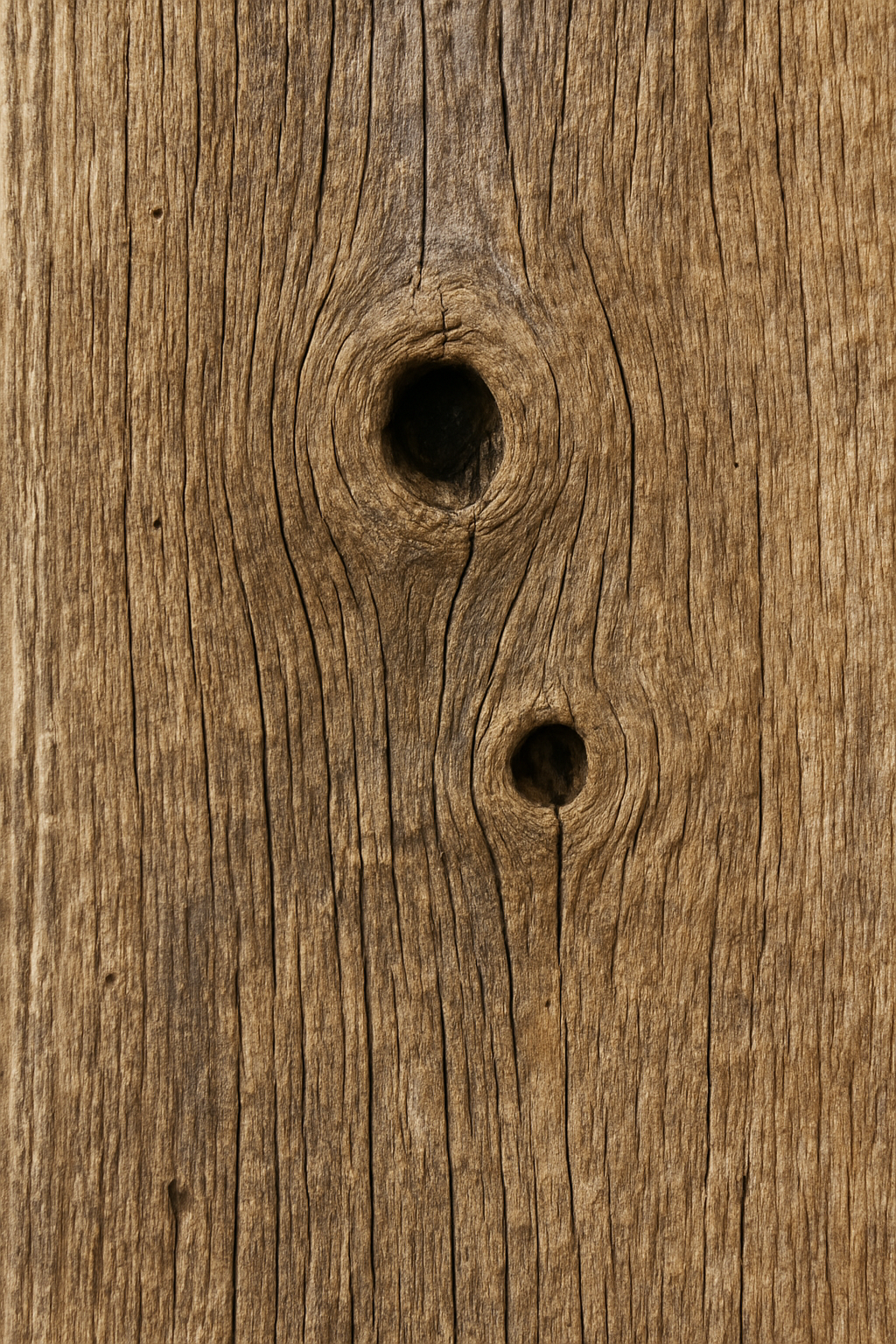
Placing a bullet into a knot hole in a piece of wood and firing it by striking the primer with a nail.
그시절에는 사격훈련에 M1 소총을 사용했는데, 사격훈련을 우리동네에서 했다.
군에 갔다 온사람은 모두 알듯이 사격을 하기전에는 PRI 교육을 받는다. 사격자세, 호흡, 사격방법 등과 정신 훈련을 하는데, 사격전에는 매번 하기 때문에 정신을 바짝 차려 사고를 미연 방지 하는데 중점을 둔다고 볼 수 있다.
그런데 막상 7~8발의 탄환을 주고 첫 3발은 영점사격을 하고, 그 다음부터는 나머지 탄환을 계속 사격 한다.
사수 전방 일정거리에는 참호가 약 2~3미터 깊이로 파여 있고, 교통호 형식이라, 참호를 따라 통행 할 수도 있다. 일정거리 뒤에 다른 교통호가 있다. 내 기억으로는 이런 교통호가 최소 4개 많케는 6개 정도 있었던것으로 기억한다. 장마지면 교통호가 문어져 수리하는 광경도 여러번 본 기억이 난다. 참호에 병사가 들어가 사격 표지판을 부착한 나무 손잡이를 손으로 들고 있다. 통신 선을 깔아 전화기를 설치하고 사수가 사격한 점수를 불러준다. 그러니까 병사 머리위로 총탄이 날아가는 것이다.
In those days we used M1 rifles for the shooting drills, and the training took place near our village.
As anyone who has served knows, before shooting you receive PRI instruction — it’s meant to make you stay sharp.
Practically, they gave you 7–8 rounds: the first three were for zeroing, and after that you continued firing the remaining rounds.
At a fixed distance in front of the shooter there were trenches about 2–3 meters deep, arranged like communication trenches so you could walk along them. A second set of communication trenches stood a short distance beyond. I remember there being at least four, maybe as many as six of those trenches. In the rainy season the trenches would get damaged and I saw them being repaired many times. A soldier would be down in the trench holding a wooden pole with a target attached. Communication lines were laid and a telephone was installed, and the range personnel would call out the shooter’s scores. In other words, bullets would pass over the soldiers’ heads.
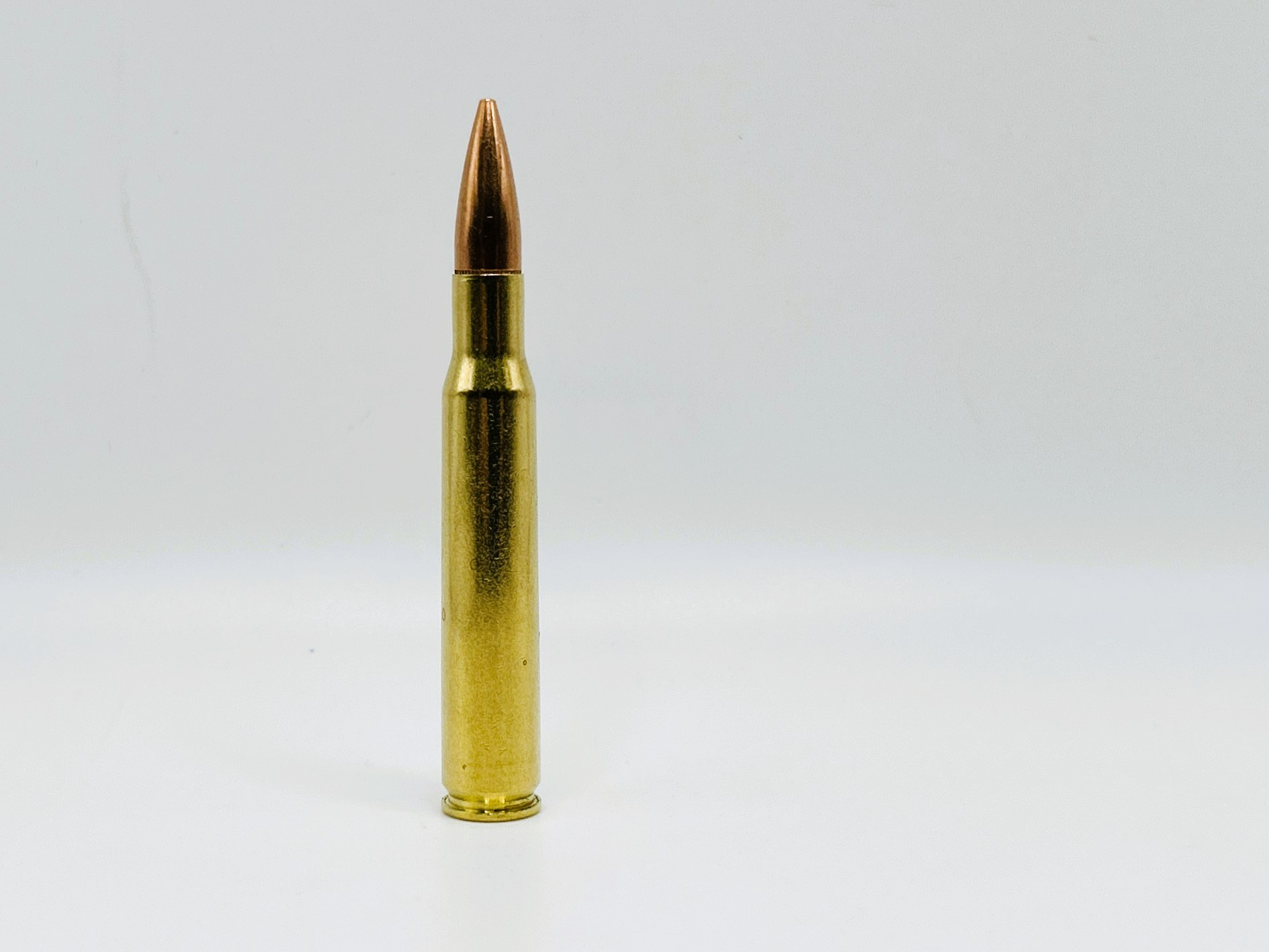
탄환을 한꺼번에 장전하지 않고 한발쏘고 다시 한발을 약실에 장전하는 방법을 사용했다. 안전 사고 방지를 위해서였을 것이다.
사격을 하면 오른쪽으로 탄피가 튀어 나가는데, 이것이 일정치가 않아 나중에 탄피 회수를 하면 나누어준 탄환 숫자와 맞지가 않는다. 그러면 없어진 탄피를 회수하느라 병사들이 풀숲을 뒤진다. 그러나 해는 뉘엇뉘엇 져 가고 어두어져 탄피를 찾는일을 더 이상 할 수 없어 병사들은 부대로 돌아간다.
병사들이 돌아간 즉시 우리 아이들이 등장할 차레이다. 아이들이 병사들이 찾지 못한 탄피를 찾기 위함이다. 탄피는 구리로 되어 있어 엿장수에게 엿을 바꾸어 먹기가 수월했기 때문이다.
병사들의 잊어버린 탄피 뿐만이 아니라 가끔은 사용하지 않은 탄환도 발견된다. 탄환은 발견되었는데 이것을 탄피만 회수해야 엿을 바꿔먹을 수 있는 것이다.
그래서 탄환을 나무 대문의 옹이 구멍에 까워놓고 탄환 뒷부분의 빨간색 점에 못을 댄 후 망치로 못을 치면 탄환이 발사 된다. 물론 안전을 위해 탄환 앞에는 아무도 없게 해야 한다.
이렇게 하면 탄환은 발사되어 날아가고, 탄피를 회수 할 수 있는 것이다.
그런데 이 방법은 탄환이 발사어 위험하고, 발사시 소리가 나서 어른들에게 들킬 염러가 있어 다른 방법도 사용했다
탄환을 준비하고, 세숫대에 물을 받아 놓는다.
넙적한 돌을 준비하고 그 위에 탄환을 가로로 올려 놓는다.
그리고 망치로 탄환과 탄피가 연결된 부위를 망치로 두둘긴다. 이때 2번 두두리고 탄환을 세숫대 물속에 넣어 식힌다. 아니면 탄약이 폭팔할 수도 있기 때문이다.
계속해서 같은 일을 반복적으로 하면 탄환이 연결된 부위가 얇아져 탄환을 빼낼수 있고, 탄피 속에서 마치 검은참깨같은 화약을 쏟아 낼수 있다. 이것은 모아서 다음에 불장난에 사용한다.
그런데 어느날 내가 이같은 작업을 하다가 2번 망치질, 물속 첨벙의 규율을 어기고, 여러번 망치질은 했다. 귀찮아서 그랬는데 이것이 폭팔하여 탄환이 발사 되었다. 다행히 내 다리를 살짝 스치고 탄환이 지나가 크게 다치지는 않았다.
또 다른 탄환 제거 방법은 흙을 약 10cm 깊이로 파고 밑에 얇고 납짝한 돌을 깐다.
그 위에 탄환의 앞을 돌위에 올려 놓고 주변에 흓을 쌓는다. 이러면 탄환이 거꾸로 세워져 움직이지 않는다.
이제 탄환의 뒷면 위의 빨간점에 못 의 뾰족한 곳을 놓고 또 주면에 흙을 쌓는다. 그러면 못-->탄환--> 얇은 돌맹이 순으로 세워지게 된다.
이제 좀 멀리 떨어져서 큰 돌멩이를 못을 향해 내리친다. 그러면 역시 탄환이 발사 된다.
땅을 헤집어보면 생각보다 탄환이 땅속깊이 들어가있지 않는댜.
그리고 탄피는 세로로 여러줄로 쪼개진 상태로 찾을수 있어 엿 바꿔먹는데는 지장이 없다.
탄피를 찾으면 더 좋은데, 생각보다 탄피는 많지 않아서 다른 방법으로 엿을 바꿔먹는다.
사격장에서 사격을 하고 나면 많은 총탄이 흙속에 박힌다. 흙을 호미로 파면서 박혀진 탄환을 찾아낸다. 이 탄환을 양철 냄비에 넣고 숫불위에 놓으면 탄환속에 있던 납이 녹아 나온다.
이것을 흙을 네모나게 파 놓은 작은 구덩이에 부으면 네모난 납덩이가 만들어진다. 이 역시 엿 바꿔 먹는데 사용된다.
We didn’t load rounds all at once; instead, we fired one round and then chambered the next. That was probably to prevent accidents.
When you fired, the spent casings would eject to the right, but they didn’t fly in a consistent pattern. Later, when they collected casings, the number recovered often didn’t match the number issued. Soldiers would comb the grass looking for the missing casings. As the sun sank and it grew dark, they could no longer keep searching, so the troops returned to base.
As soon as the soldiers left, it was our turn. We kids came out to find the casings the soldiers couldn’t find. Casings are made of copper, so they were easy to trade to the candy vendor for sweets.
Not only lost casings turned up sometimes — occasionally we found unfired rounds as well. If you found the round itself, you still needed the casing to trade for candy.
So we found ways to fire the round so we could recover the casing. We would seat the cartridge in a knot hole in a wooden gate, place a nail against the red primer spot on the back of the round, and hit the nail with a hammer. Of course, we had to make sure nobody was in front of the cartridge for safety.
Firing it this way sent the bullet off and left the casing to be collected.
But this method was dangerous, and the noise could get us caught by adults, so we used another method too.
We’d prepare the round and fill a washbasin with water. Then we’d take a flat stone and lay the round on its side on top of the stone. We tapped the area where the bullet and casing joined with a hammer — two taps — then dunked the round into the basin to cool it. If you didn’t do this, the round could explode.
Repeating this process thinned the joined area until we could pry the bullet out of the casing and pour the black powder — like tiny black sesame seeds — out. We’d save that powder to use later when playing with fire.
One day, while I was doing this, I skipped the two taps-and-dunk routine and hammered many times because I was lazy. The round exploded. Fortunately, it only grazed my leg, so I wasn’t seriously hurt.
Another way to remove the bullet was to dig a hole about 10 cm deep and lay a thin, flat stone at the bottom. We’d set the bullet’s tip on the stone and pile soil around it so the cartridge stood upright and wouldn’t move. Then we’d place the sharp point of a nail against the red primer dot on the back and pack soil around that too, so the nail, cartridge, and thin stone formed a vertical stack. From a safe distance, someone would strike the nail with a large rock, which would fire the round. If you dug the ground afterward you’d find the bullet hadn’t gone very deep. The casing could be found split lengthwise in several strips and was still fine to trade for candy.
Finding casings was great, but they weren’t always plentiful, so we had other ways to get candy.
After firing at the range, many bullets were lodged in the ground. We’d dig them up with hoes and put the collected bullets into a tin pot over an open flame. The lead in the bullets would melt out. We’d pour the molten lead into a small square pit dug in the ground to make little square lead ingots. Those were also used to trade for candy.
| ▲ 하남역사박물관은 6.25전쟁 70주년을 맞이해 <한강과 전쟁> 특별전을 개최한다. © 시티뉴스 |
사격장의 아이들은 저 멀리서 군인들이 훈련하기 위한 차량이 오게되면 오늘 어떤 훈련을 하는지 미리 알 수 있다.
소총사격 훈련인지, 기관총 사격 훈련인지, 박격포 사격 훈련인지, 아니면 야포사격 훈련인지 미리 확인이 가능하다.
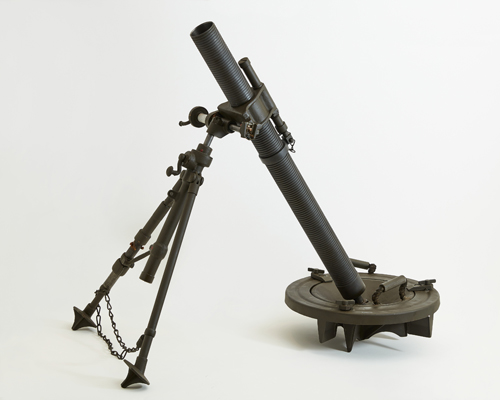
박격포는 곡사포이다. 총탄과 달리 포물선을 그리면서 하늘에서 떨어진다.
그래서 아이들은 미리 삽, 호미, 자루를 준비하고 현장? 에 배치된다. 가장 좋은 위치는 사격하는 모습을 숨어서 볼 수 있고, 혹시 박격포탄이 내 머리위에 떨어져도 안전한 장소를 찾아야 한다.
대게 위에는 두꺼운 흙 더미가 있고, C 자 반대방향으로 흙이 파인 곳을 선호한다. 그런데 박격포 훈련은 언제나 모의탄을 이용한다. 포탄의 탄착점은 확인할 수 있지만 실제 폭팔은 일어나지 않는 모의 폭탄을 사용하기 때문이다.
이때 아이들은 포탄이 떨어지면서 먼지를 일으키는 곳을 외우고, 훈련이 끝나자마자 뛰어나가 방금 떨어진 모의 포탄을 찾는다. 현장에 가 보면 구멍만 보이고 포탄은 보이지 않는다. 코를대로 냄새를 맡으면 폭약 냄새가 나서 다른 구멍이 아닌지를 확인할 수 있다. 이것은 여러개를 캘 수는 없지만 개당 무게가 꽤 나가서 엿바꿔먹는데 좋다.
The kids around the shooting range could tell from far away what kind of training the soldiers were doing that day — whether it was rifle fire, machine-gun practice, mortar drills, or even artillery firing.
A mortar is an indirect-fire weapon: unlike bullets, its rounds follow a curved trajectory and fall from above.
So the children would get their shovels, hoes, and sacks ready and position themselves around the site ahead of time. The best spots were ones where they could watch the shooting from hiding and where they’d be safe if, by chance, a mortar round landed nearby.
Usually, there was a thick berm of earth, and kids preferred places where the soil was dug in a C-shape facing the opposite direction. Mortar practice, however, always used dummy rounds. Although you could see where the rounds struck, the shells were inert and didn’t explode.
The children memorized which impacts threw up dust, and as soon as the drill ended, they ran out to find the dummy rounds. At the scen,e you’d see only a hole; the shell itself wasn’t visible. If you sniffed near the hole, you could sometimes smell explosives, which told you it wasn’t just an ordinary hole. You couldn’t dig up many of them, but each one weighed a fair amount, so they were good to trade for candy.
저수지에 M1 소총을 쏘면 어떻게 될까?
우리 마을 윗쪽에는 저수지가 있다. 그 저수지는 지금도 있다.
저수지 주변에 농가가 있었는데, 그 반대편에서 저수지를 향해 군인들이 총을 쏘았다.
한 발이 아니라 여러발의 사격을 하였다. 이것은 그냥 재미삼아 한 것으로 보인다.
나중에 안 일이지만 저수지 건너편 집으로 총탄이 여러발 날아와 집에서 사람이 나올 수 없었다. 여러발의 총탄이 그 집 대문에 박혔고, 담벼락에도 박혔다.
총알이 물을향해 발사되는 각도에 따라 어떤 총알은 물속으로 들어가지만 어떤 각도는 총알이 수면위를 튀겨나가는 것이다.
그런일은 없겠지만 절대 물을 향해 장난으로 총을 발사해서는 안된다. 생각지도 않은 사고가 날 수 있기 때문이다.
What would happen if you fired an M1 rifle at the reservoir?
Above our village there’s a reservoir. It’s still there today.
There were farmhouses around the reservoir, and from the far side, soldiers fired their rifles toward the water.
They didn’t fire just one shot — they fired several. It seemed like they were doing it for fun.
Later, we learned that multiple bullets flew across to the houses on the other side of the reservoir, making it impossible for the people there to go outside. Many bullets had embedded in the house gate and the yard walls.
Depending on the angle at which a bullet hits the water, some bullets would dive into the water while others would skip along the surface.
You should never, even as a joke, fire a gun toward water. Unimaginable accidents can happen.
그 많던 상이군인은 어디로 갔나요?
상이 군인은 군 복무 중 전투나 공무 수행으로 부상을 입은 군인을 말하며, 상이 정도에 따라 국가유공자, 보훈보상대상자로 등록되어 의료비, 연금 등의 혜택을 받을 수 있습니다.
이것은 요즈음의 이야기 입니다. 그 시절, 상이군인은 사람 취급을 받지 못했습니다. 팔, 다리가 없는 상이군인은 일을 할 수없고, 국가는 그들을 돌 보아줄수 있는 처지가 못되었습니다.
그들은 국가를 구하다 부상을 입은 영웅입니다. 그러나 그시절 상이군인은 집집마다 다니며 동냥을 하는 거지 신세였습니다.
저 멀리서 상이군인이 오면, 아이들은 무서워 도망을 갔습니다.
지금 정치를 하는 분들, 공무원들, 국민들은 잊지 말아야 합니다. 국가가 힘이 없으면 영웅들에게 아무 대접도 해 줄 수 없습니다.
국립묘지에 안장된분들 보다 그렇지 못한 영웅들이 훨씬 많을것이라 생각 됩니다.
지금 돌이켜 보면, 그들 영웅들을 홀대한것에 마음속 깊이 사죄합니다.
아버지가 상이군인이면 처, 자식들도 삶이 궁핍하고, 교육을 제디로 받지 못하게 되어 그 어려움은 대를 잇습니다.
전사자의 부인은 대개 나이가 너무 젊어 재혼을 하게 되고 그 자식들은 온전치 못한 가정에서 자라게 되어 정상적인 교육과 삶을 살아가기 어렵게 됩니다.
국가를 위해 목숨을 바치고, 몸에 부상을 입은 영웅들의 다음세대는 삶이 기구해 지는 것이지요.
다행이도 지금은 많이 바로잡아지고 있습니다. 국가가 있어야 국민이 보살핌을 받을수 있습니다.
어떤 사람은 현재 동작동 국립묘지를 개발하여 관광객을 불러모을수 있고, 수익을 더 낼수 있으니 국립묘지를 다른곳으로 이장 하자고 주장하고 있습니다.
이에 대해 케디즈버거 연설문중 한 구절을 인용하고 싶습니다.
"우리는 이 땅을 헌정할 수도, 축성할 수도, 신성화할 수도 없습니다. 여기서 싸웠던 용맹한 전사자와 생존 용사들이 이미 이곳을 신성한 땅으로 축성하였기에, 보잘것없는 우리의 힘으로 더 보태고 뺄 것 따위가 있을 수 없습니다."
지금 우리가 살고 있는 모든 땅은 우리의 영웅들이 지켜주었기 때문에 현재의 우리가 누리고 있는데, 마치 우리가 영웅들에게 국립묘지를 제공한것으로 착각하고 있다고 생각 됩니다.
Where Have All the Disabled Veterans Gone?
A disabled veteran refers to a soldier who was wounded in combat or while performing official duties during military service. Depending on the severity of the injury, they may be registered as national patriots or compensation recipients, entitled to benefits such as medical care and pensions.
But that’s how it is today. Back then, disabled veterans were not treated as people. Those who had lost an arm or a leg could no longer work, and the nation was in no condition to care for them.
They were heroes who had been injured while saving the country. Yet in those days, they wandered from house to house, begging for food like vagrants.
When a disabled veteran appeared in the distance, children would run away in fear.
Politicians, public officials, and citizens today must never forget this truth: when a nation is weak, it cannot honor its heroes.
I believe that there are far more heroes who never found rest in the National Cemetery than those who did. Looking back now, I feel deep remorse for how those heroes were neglected and dishonored.
If a father was a disabled veteran, his wife and children often lived in poverty, unable to receive proper education, and that hardship carried on to the next generation.
The widows of fallen soldiers were usually very young, and many remarried out of necessity. Their children, growing up in broken families, often could not receive proper education or live normal lives.
Those who gave their lives or suffered wounds for the country saw their descendants live lives of hardship as a result.
Fortunately, much of this has been corrected in recent years. A nation must exist first for its people to be cared for and protected.
Some people today argue that the National Cemetery in Dongjak-dong should be relocated, claiming that the land could be developed to attract tourists and generate more revenue.
In response, I would like to quote a passage from President Abraham Lincoln’s Gettysburg Address:
“We cannot dedicate, we cannot consecrate, we cannot hallow this ground. The brave men, living and dead, who struggled here have consecrated it, far above our poor power to add or detract.”
The land we now live on has been protected by our heroes. It is because of their sacrifice that we enjoy the lives we have today. Yet, it seems that some people mistakenly believe we are the ones who have granted these heroes a cemetery, when in truth, it is they who made this land sacred.
 고부간의 갈등은 영원히 해소하지 못하는가? Are conflicts betwe...