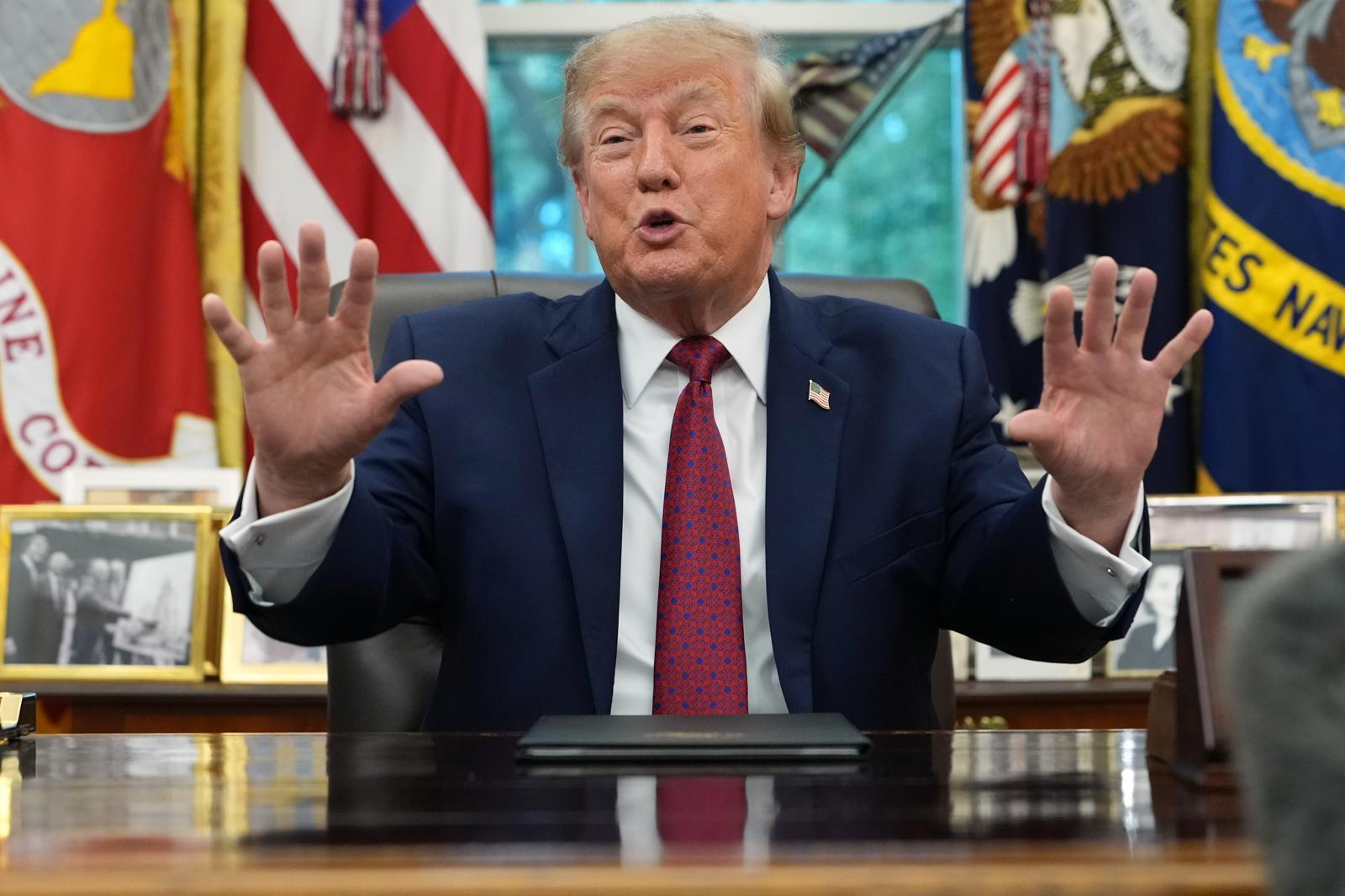
AP news
트럼프의 관세 폭주와 미국의 일방주의, 과연 미국은 어디로 가고 있는가?
2026년 11월 6일
이 글은 약 1년 전 작성했던 글의 후속이다.
한때 세계 각국은 자유무역을 확대하고 관세를 낮추는 방향으로 움직여 왔다. 많은 상품의 관세가 한 자릿수에 머물던 시대가 있었다. 그런데 이제는 50%, 100%를 넘어 무려 300%라는 숫자까지 거론되고 있다.
트럼프 대통령은 미국에 공장을 짓지 않는 외국 기업에 최고 300%의 관세를 부과할 수 있다고 경고하고 있다.
감히 말하건대, 나는 트럼프 대통령이 경제정책에서 분별력을 잃어가고 있는 것이 아닌가 하는 생각마저 든다.
미국에 공장을 짓지 않으면 300%의 관세를 물리겠다는 발상은 도대체 무엇을 의미하는가?
그것은 사실상 교역을 하지 말자는 이야기다.
다시 말해 미국에 공장을 세우지 않는 나라와는 정상적인 무역을 하지 않겠다는 선언이나 다름없다.
세계 경제는 국가 간의 분업과 자유로운 교역을 통해 성장해 왔다. 각 나라는 자신이 경쟁력을 가진 상품을 생산하고, 부족한 것은 다른 나라에서 수입한다. 이것이 국제무역의 기본 원리다.
그런데 세계 최대 경제대국인 미국이 자국 시장의 힘을 이용해 다른 나라에 공장 건설을 강요한다면, 그것을 과연 정상적인 국제무역 질서라고 할 수 있겠는가?
미국의 제조업을 되살리고 일자리를 늘리겠다는 목표 자체는 이해할 수 있다. 그러나 모든 나라가 미국에 공장을 세울 수 있는 것도 아니고, 그렇게 하는 것이 반드시 경제적으로 합리적인 것도 아니다.
공장은 대통령의 말 한마디로 세워지는 것이 아니다. 인건비, 원자재, 물류비, 기술력, 시장 규모, 생산성과 수익성 등을 종합적으로 판단해 결정하는 것이다.
이러한 경제의 기본 원리를 무시하고 관세라는 무기만 휘두른다면 결국 그 피해는 어디로 돌아가겠는가?
나는 그 피해가 미국 국민에게 돌아갈 것이라고 생각한다.
다른 나라의 대통령까지 체포하는 미국
더욱 충격적인 것은 베네수엘라 대통령 니콜라스 마두로(Nicolás Maduro)에 대한 미국의 행동이다.
미국은 마두로 대통령을 마약 밀매 및 나르코 테러(narco-terrorism) 혐의로 기소했다. 그리고 2026년 1월 3일, 미군을 동원해 베네수엘라 영토에서 그를 체포하고 미국으로 데려왔다.
나는 이 사건을 보면서 놀라움을 금할 수 없었다.
아무리 미국의 잣대로 보아 마두로 대통령에게 문제가 있다고 하더라도, 다른 나라의 영토에 군대를 투입해 현직 국가원수를 체포하고 미국으로 데려오는 것이 과연 정당한 일인가?
물론 마두로 대통령에게 범죄 혐의가 있다면 법적 절차에 따라 수사하고 재판할 수 있을 것이다. 그러나 미국이 범죄 혐의를 제기했다는 이유만으로 다른 나라의 주권을 무시하고 군사력을 행사할 권리까지 갖는 것은 아니다.
나는 이것이 다른 나라의 주권을 완전히 짓밟은 행위라고 생각한다.
미국의 법이 곧 세계의 법인가?
미국 대통령의 판단이 곧 국제사회의 최종 결정인가?
제2차 세계대전 당시 패전국이자 전범국이었던 일본의 천황조차 연합국에 의해 체포되지는 않았다. 물론 당시의 역사적 상황과 오늘날의 베네수엘라 사태는 다르다. 그러나 그만큼 국가원수에 대한 강제적인 조치는 국제사회에서 중대한 문제라는 뜻이다.
미국은 오랫동안 민주주의와 법치주의, 국제질서를 강조해 왔다.
그런데 스스로 그 원칙을 무너뜨린다면 앞으로 다른 강대국이 같은 논리로 이웃 나라에 군대를 보내 국가원수를 체포하겠다고 나설 때 미국은 무엇이라고 말할 것인가?
힘이 있다고 해서 모든 행동이 정당화되는 것은 아니다.
국제사회가 힘의 논리만으로 움직이기 시작한다면 작은 나라들은 무엇을 믿고 살아가야 하는가?
오늘은 베네수엘라지만 내일은 또 어느 나라가 그 대상이 될지 모르는 일이다.
미국 중간선거가 보여준 민심
이번 미국 중간선거 결과를 보면 트럼프 대통령과 공화당에는 대참패라고 할 만한 결과가 나왔다.
민주당은 상원과 하원 모두에서 다수당 지위를 확보했다. 공화당이 전통적으로 강세를 보이던 지역에서도 민주당 후보들이 승리했다.
민주주의 국가에서 국민이 정권을 심판하는 가장 강력한 수단은 바로 선거다.
이번 선거 결과는 단순한 정당 간의 승패가 아니라 트럼프 행정부의 정책에 대한 미국 국민의 불만이 표출된 것이라고 생각한다.
그 이유는 여러 가지일 것이다.
이란과의 무모한 전쟁에 대한 피로감도 있을 것이고, 하늘 높은 줄 모르고 치솟는 물가에 시달리는 서민들의 분노도 있을 것이다.
특히 생활비 문제는 국민이 매일 피부로 느끼는 현실이다.
정치인은 경제가 좋아지고 있다고 말할 수 있다. 주식시장이 상승하고 기업의 투자가 늘어나고 있다고 자랑할 수도 있다.
그러나 국민이 실제로 느끼는 경제는 다르다.
식료품 가격이 오르고, 주거비가 오르고, 기름값이 오르고, 외식비까지 오르면 국민의 생활은 어려워질 수밖에 없다.
미국에 가서 햄버거 하나만 사 먹어 보라!
아마 그 가격에 놀랄 것이다. 세계에서 가장 비싼 햄버거를 먹고 있다는 생각이 들지도 모른다.
물론 미국의 높은 물가에는 인건비와 임대료 등 여러 원인이 있다. 그러나 여기에 높은 관세까지 더해진다면 소비자의 부담은 더욱 커질 수밖에 없다.
관세는 누가 부담하는가?
나는 이 문제를 약 1년 전 글에서도 지적한 바 있다.
트럼프 대통령은 관세를 마치 외국 기업이나 외국 정부가 미국에 내는 돈인 것처럼 설명하곤 한다.
그러나 관세의 기본적인 구조는 그렇지 않다.
관세는 물건을 수출하는 외국 기업이 미국 정부에 직접 납부하는 것이 아니라, 미국으로 물건을 수입하는 기업이 납부하는 세금이다. 그리고 그 부담의 상당 부분은 결국 미국 소비자에게 돌아간다.
예를 들어 수입 원가가 100달러인 상품에 50%의 관세가 부과되면 수입업자는 원칙적으로 50달러의 관세를 부담해야 한다.
그렇다면 수입업자는 어떻게 하겠는가?
그 비용을 전부 감당하면서 손해를 볼 것인가?
일부는 기업이 부담하고 일부는 외국 공급업체가 가격을 낮추는 방식으로 조정할 수도 있겠지만, 결국 상당 부분은 판매가격에 반영될 가능성이 크다.
100%나 300%의 관세라면 문제는 더욱 심각해진다.
관세가 너무 높아져 아예 수입을 포기하는 기업도 생길 것이다. 그렇게 되면 소비자가 선택할 수 있는 상품의 종류가 줄어들고 경쟁도 약해질 수 있다.
이것이 과연 미국 국민에게 도움이 되는 정책인가?
트럼프 대통령은 관세를 통해 미국 정부의 수입이 늘어난다고 주장한다.
물론 관세 수입이 늘어날 수는 있다.
그러나 그 돈이 어디에서 나오는가를 생각해야 한다.
외국이 미국에 공짜로 돈을 주는 것이 아니다. 미국의 수입업자가 납부하고, 그 부담의 상당 부분을 미국 소비자와 기업이 떠안는 것이다.
결국 미국 정부가 자국민과 기업으로부터 더 많은 세금을 거두는 것과 비슷한 결과가 나타날 수 있다.
거둬들인 관세를 국민에게 돌려주면 해결될까?
그렇다면 이렇게 거둬들인 관세를 미국 정부가 일반 시민에게 돌려주면 문제가 해결될까?
그것도 간단한 일이 아니다.
누구에게 얼마나 돌려줄 것인가? 관세 부담을 많이 한 사람과 적게 한 사람을 어떻게 구분할 것인가?
더구나 대규모 현금 지급은 재정 상황과 공급 여건에 따라 또 다른 물가 상승 압력을 만들 수도 있다.
말하자면 한쪽에서는 관세로 상품 가격을 올려놓고, 다른 한쪽에서는 그 부담을 덜어주겠다며 돈을 풀어야 하는 모순적인 상황이 벌어질 수 있다는 이야기다.
경우에 따라서는 헬리콥터에서 돈을 뿌리는 것과 같은 결과를 낳을 수도 있다.
물론 모든 현금 환급이 반드시 인플레이션을 일으키는 것은 아니다. 그러나 관세로 인한 가격 상승을 현금 지급만으로 근본적으로 해결하기는 어렵다.
도대체 누구를 위한 경제정책인가?
미국 제조업을 살리겠다는 명분 아래 정작 미국 소비자들이 더 높은 가격을 부담해야 한다면, 그 정책이 과연 성공했다고 말할 수 있겠는가?
세계를 압박하는 미국, 그 대가는 누가 치르는가?
미국은 세계 최대의 소비시장 가운데 하나다.
많은 나라가 미국에 상품을 수출하고 있으며 미국 시장을 중요하게 생각한다.
그러나 그렇다고 해서 미국이 모든 나라에 일방적으로 자신의 조건을 강요할 수 있는 것은 아니다.
무역은 상호 이익을 바탕으로 이루어지는 것이다.
미국이 다른 나라의 상품에 높은 관세를 부과하면 상대국 역시 대응할 수 있다. 그러면 무역 갈등이 확대되고 기업들은 불확실성에 직면하게 된다.
그 결과 투자는 위축되고, 생산비는 상승하며, 소비자의 선택권은 줄어들 수 있다.
트럼프 대통령은 관세를 통해 미국을 다시 위대하게 만들겠다고 주장한다.
그러나 나는 묻고 싶다.
다른 나라를 위협하고, 자국민의 생활비를 높이고, 국제사회에서 미국에 대한 신뢰를 떨어뜨리는 것이 과연 미국을 위대하게 만드는 길인가?
강대국의 진정한 힘은 다른 나라를 굴복시키는 데 있는 것이 아니다.
자국민이 안정된 생활을 누리고, 다른 나라와 신뢰를 바탕으로 교역하며, 국제사회에서 존중받는 데 있다고 생각한다.
미국의 앞날이 걱정된다
이래저래 트럼프 대통령이 지금과 같은 정책을 고집하는 한 미국은 앞으로도 어려운 선택을 거듭해야 할 것으로 보인다.
높은 관세를 유지하면 물가와 기업 비용에 부담이 될 수 있고, 관세를 낮추면 그동안 관세를 근거로 추진해 온 정책의 정당성을 다시 설명해야 할 것이다.
국제사회에서 군사력과 경제력을 앞세운 일방적인 행동을 계속한다면 다른 나라들과의 갈등도 쉽게 해소되기 어려울 것이다.
더욱 걱정스러운 것은 미국 국민의 불만이 어디까지 커질 것인가 하는 점이다.
이미 영국과 프랑스에서는 고물가와 생활비 부담, 정부 정책에 대한 불만이 대규모 시위와 사회적 갈등으로 표출된 바 있다.
미국이라고 예외일 수 있을까?
국민의 생활이 어려워지고 정치가 그 문제를 해결하지 못한다면 사회적 불만은 더욱 커질 수밖에 없다.
폭동이 일어나지 않으면 다행이라는 생각마저 든다.
물론 그러한 사태가 실제로 벌어지기를 바라는 것은 결코 아니다. 오히려 미국이 지금이라도 정책의 방향을 다시 생각하기를 바라는 마음이다.
나는 미국이 세계 경제와 국제질서에서 매우 중요한 역할을 하는 나라라고 생각한다.
그렇기 때문에 미국의 잘못된 선택은 미국 국민만의 문제가 아니라 세계 여러 나라의 경제와 안보에도 영향을 미친다.
미국이 강대국이라는 사실을 부정하는 사람은 많지 않을 것이다.
그러나 강대국이라는 이유만으로 다른 나라의 주권을 침해하거나 무역 상대국에 일방적인 요구를 강요할 권리까지 갖는 것은 아니다.
진정한 강대국은 힘을 과시하는 나라가 아니라, 그 힘을 절제할 줄 아는 나라다.
트럼프 대통령은 과연 미국을 다시 위대하게 만들고 있는 것인가?
아니면 미국 스스로를 세계로부터 고립시키고 있는 것인가?
나는 지금의 미국을 바라보면서 후자의 가능성을 더욱 걱정하게 된다.
Trump's Tariff Escalation and American Unilateralism: Where Is the United States Heading?
Opinion | November 6, 2026
This article is a follow-up to an opinion piece I wrote approximately one year ago.
There was a time when countries around the world were moving toward freer trade and lower tariffs. Many products were subject to tariffs in the single digits, often around 5%.
Today, however, we are hearing figures of 50%, 100%, and even an astonishing 300%.
President Donald Trump has threatened tariffs as high as 300% on foreign companies that refuse to establish manufacturing facilities in the United States.
I dare say that President Trump appears to be losing his sense of economic judgment.
What exactly does it mean to threaten a 300% tariff simply because a company refuses to build a factory in America?
It is practically another way of saying, "We do not want to trade with you."
In other words, it amounts to declaring that countries unwilling to establish manufacturing operations in the United States may no longer be welcome as normal trading partners.
The global economy has developed through international specialization and trade. Countries produce goods in which they have competitive advantages and import products that other nations can manufacture more efficiently.
This is one of the fundamental principles of international commerce.
If the world's largest economy uses its market power to pressure other countries into building factories on American soil, can we still call that a fair and reasonable international trading system?
I understand the desire to revive American manufacturing and create jobs. Every national leader has a responsibility to protect the economic interests of their country.
But not every company can establish a factory in the United States, nor would doing so necessarily make economic sense.
Factories are not built simply because a president demands them. Companies must consider labor costs, raw materials, logistics, technology, productivity, market conditions, and profitability.
Ignoring these economic realities while using tariffs as a weapon will ultimately come at a price.
And I believe ordinary Americans will pay much of that price.
Arresting the President of Another Sovereign Nation
Even more shocking was the American operation involving Venezuelan President Nicolás Maduro.
The United States indicted Maduro on drug trafficking and narco-terrorism charges. Then, on January 3, 2026, American forces entered Venezuelan territory, captured him, and brought him to the United States.
I was deeply disturbed by this event.
Regardless of how the United States views Maduro or his government, does Washington have the right to send military forces into another sovereign country, seize its sitting president, and transport him to American territory?
If Maduro is accused of serious crimes, those allegations should be addressed through lawful procedures.
But an American indictment does not automatically grant the United States the right to violate another nation's sovereignty through military force.
In my view, this was a blatant and complete violation of Venezuela's national sovereignty.
Is American law now supposed to be the law of the entire world?
Does the judgment of an American president override the sovereignty of every other nation?
Even after World War II, the Allies did not arrest Japan's Emperor Hirohito, despite Japan's role as an aggressor nation in the war.
Of course, the historical circumstances were different. Nevertheless, the comparison illustrates how consequential the forced seizure of a head of state can be.
For decades, the United States has presented itself as a defender of democracy, the rule of law, and the international order.
But if America itself disregards these principles, what can it say when another powerful nation uses similar reasoning to invade a neighboring country and capture its leader?
Military strength does not automatically make every action legitimate.
If international relations become governed solely by the power of the strongest nations, what protections will remain for smaller countries?
Today it is Venezuela. Tomorrow, which country might be next?
The Midterm Elections and the Voice of the American People
The results of the recent U.S. midterm elections represent a devastating political setback for President Trump and the Republican Party.
Democrats secured majorities in both the Senate and the House of Representatives. Democratic candidates also won in areas traditionally considered Republican strongholds.
In a democracy, elections are the most powerful means by which citizens hold their government accountable.
I believe these results reflect more than ordinary competition between political parties. They reveal growing dissatisfaction with the policies of the Trump administration.
There are undoubtedly several reasons.
Public frustration over the reckless war with Iran may be one factor. Another is the relentless rise in living costs that has placed enormous pressure on ordinary American families.
For most people, the economy is not measured by stock market indexes or corporate earnings reports.
It is measured by what they must pay every day.
Groceries cost more. Housing costs more. Fuel costs more. Even eating out has become increasingly expensive.
Just visit the United States and buy a hamburger.
You may be shocked by the price. You might even feel that you are eating one of the most expensive hamburgers in the world.
Of course, American prices are influenced by many factors, including labor costs, rent, and operating expenses.
But when high tariffs are added to those costs, the financial burden on consumers can become even greater.
Who Actually Pays the Tariffs?
I raised this question in my article approximately one year ago.
President Trump has often described tariffs as though foreign companies or foreign governments are paying money directly into the U.S. Treasury.
But that is not how tariffs work.
Tariffs are paid to the U.S. government by American importers, not directly by the foreign companies exporting the goods. A substantial portion of those costs can ultimately be passed on to American consumers.
Consider a simple example.
Suppose an imported product costs $100.
If the United States imposes a 50% tariff, the importer must generally pay an additional $50 in duties.
What happens next?
Will the importer simply absorb the entire cost and accept lower profits?
Some of the burden may be absorbed by businesses, while foreign suppliers may reduce their prices. But a significant portion can be reflected in higher retail prices.
Now imagine tariffs of 100% or even 300%.
The consequences could be far more severe.
Some companies may stop importing certain products altogether because the costs become economically unsustainable.
Consumers would then face fewer choices, less competition, and potentially higher prices.
How exactly does this benefit the American people?
President Trump argues that tariffs generate revenue for the federal government.
That may be true.
But we must ask where that revenue comes from.
Foreign countries are not simply handing free money to the United States.
American importers pay the duties, and much of the economic burden is ultimately carried by American businesses and consumers.
In practical terms, the government may be collecting more revenue while making life more expensive for its own citizens.
Can the Government Simply Return Tariff Revenue to the People?
Suppose the government decides to return tariff revenue directly to ordinary Americans.
Would that solve the problem?
Not necessarily.
Who should receive the money? How much should each person receive? How would the government determine which households have borne the greatest tariff burden?
Moreover, large-scale cash distributions could create additional inflationary pressure, depending on how they are financed and on conditions in the broader economy.
The result could be a contradictory policy.
On one hand, the government raises the cost of imported goods through tariffs.
On the other, it distributes money to consumers to compensate for the higher prices.
Under certain circumstances, this could resemble the economic effect of dropping money from helicopters.
Not every cash rebate necessarily causes inflation. Nevertheless, handing out money does not address the underlying economic distortions created by excessive tariffs.
Who, exactly, is this economic policy supposed to benefit?
If the stated goal is to restore American manufacturing, but the immediate result is higher living costs for American families, can the policy truly be called a success?
America Pressures the World, but Who Pays the Price?
The United States remains one of the largest consumer markets in the world.
Many countries depend heavily on access to American customers.
But that does not mean Washington has the right to dictate economic conditions unilaterally to every trading partner.
International trade is supposed to be based on mutual benefit.
When the United States imposes steep tariffs on foreign goods, other countries may retaliate.
Trade disputes can escalate. Businesses face greater uncertainty. Investment decisions become more difficult.
Production costs may rise, supply chains may be disrupted, and consumers may lose access to affordable products.
President Trump says his tariff policies will make America great again.
But I would ask a simple question.
Does threatening other countries, increasing the cost of living for American citizens, and undermining international trust really make America greater?
The true strength of a great nation does not come from forcing other countries into submission.
It comes from providing its people with economic security, maintaining trustworthy international relationships, and earning respect throughout the world.
I Am Concerned About America's Future
As long as President Trump continues along this path, I believe the United States will face increasingly difficult choices.
Maintaining high tariffs risks placing further pressure on prices and business costs.
Reducing those tariffs, on the other hand, would require the administration to reconsider the economic arguments it has used to justify them.
Continuing to rely on military and economic pressure in international affairs may further strain relations with other countries.
What concerns me most, however, is the growing frustration among ordinary Americans.
How much more economic pressure can people endure?
We have already seen major protests and social unrest in countries such as the United Kingdom and France, where rising living costs and dissatisfaction with government policies have fueled public anger.
Why should the United States be immune?
When economic hardship continues and political leaders fail to provide meaningful solutions, public frustration can intensify.
I can only hope that America does not reach the point of widespread civil unrest or violent riots.
I certainly do not wish to see such events unfold.
On the contrary, I hope the United States will reconsider the direction of its policies before social divisions become even deeper.
America remains one of the most influential countries in the global economy and international political system.
For that very reason, its decisions affect not only American citizens but also people throughout the world.
Few would deny that the United States is a powerful nation.
But being powerful does not give any country the right to disregard another nation's sovereignty or impose its will on the rest of the world.
A truly great nation is not one that constantly demonstrates its power, but one that knows when and how to exercise restraint.
Is President Trump truly making America great again?
Or is he gradually isolating America from the rest of the world?
As I watch the direction of American policy, I find myself increasingly concerned about the latter possibility.
And what troubles me most is that, in the end, it may be ordinary American citizens who are forced to pay the price.
 사격장의 아이들 Children at the Shooting Range


